
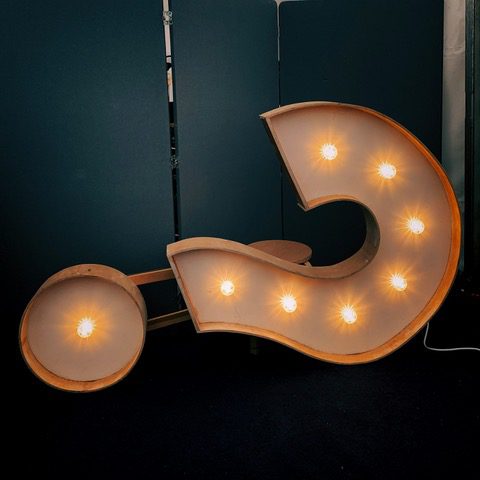
This is our latest blog: The Big Question, where Mo Kanjilal, Edge of Difference, talks about how she reflects on whether we prefer the comfort of peace or the challenge of progress, suggesting that while peace feels easy, real growth comes from staying curious, asking tricky questions, and being open to seeing the world through someone else’s eyes.
Mo is the Founder and Director of Edge of Difference, a diversity, equality and inclusion company. She is a speaker and Author focused on how we understand differences to create inclusive cultures. She works with leaders and teams to build a culture rooted in curiosity. She is a Non-Exec Director, trustee and campaigner.
THE BIG QUESTION
Do we want progress, or do we want peace?
Do you enjoy peace, and are you looking for progress? Are we curious and searching for the questions that will bring us that progress? Or is the appeal of a quiet and peaceful life the more attractive approach?
To understand different people and lives, we have to ask difficult questions, and the answers are likely to be uncomfortable. Most of us do not feel comfortable understanding that we live privileged lives.
Fairness is often framed as sameness — treat everyone the same, create one set of rules for everyone, and then that’s fair, right?
Sameness can bring peace, as it means we see the world through our own lens. We assume that if things feel good, fair, and comfortable for us, then it must be the same for everyone else.
The problem is that this assumes we all start from the same place. It assumes that we experience the world in the same way and have access to the same things. That is not the reality. We start from different places, live different lives, and experience things differently.
I can walk down a street in Brighton, the place I have lived for many years, and have something shouted at me that you may never hear. Even in a city that feels like home, my experience is not the same as yours. Yet I still return to a warm, secure home. Many others in this same city do not have that security at all.
If we want progress, we need to ask ourselves deep and difficult questions:
- What might be true for someone else that is not true for me?
- How might a space feel different to someone with a different identity or background?
- Who has to adapt who they are and follow an unwritten code to fit in?
- Who gets listened to and believed, and who does not?
These questions shift our gaze to areas that make us feel uncomfortable. We have to look again and see things we might not want to see. We have to see where power lies, and how we might benefit from it.
This is where it becomes clear: do you want progress, or is peace more comfortable for you?
Peace means not asking questions that disrupt. It means accepting things, keeping quiet, and smoothing over tensions instead of addressing them.
Progress comes through discomfort. It asks us to look beyond the first answer and face the things that unsettle us. We have to lose our defensive instincts and accept that we might need to change.
If we can do that, it becomes transformative. We allow ourselves to be changed by what we learn. Curiosity becomes powerful when we are willing to disrupt our peace.
To do that, we need to practice our responses. Be ready to say we might not have considered something. Ask people what we can do to help them progress. Think about what fairness might mean for someone with a different life to ours.
We might not have the language for this at first. We might need to work on our questions and how we handle uncomfortable answers.
Sameness has never been fairness. Curiosity helps us move toward something better. This is where trust grows, and we can think beyond our own peace to something bigger.
Progress is not quiet. It has to be intentional, uncomfortable, and curious. We have to consider if we really want progress, or are we seeking the peace?